
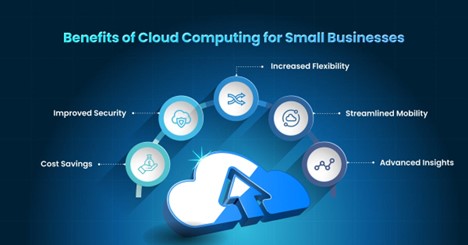
Weighing the Pros and Cons
Cloud-hosted environments have moved from being an enterprise luxury to a practical, accessible solution for small and mid-sized businesses. From reducing capital expenses to improving resilience and scalability, cloud technology has reshaped how organizations approach IT. That said, like any strategic decision, moving to the cloud comes with both advantages and trade-offs.
Below, we break down the key benefits and potential drawbacks to help small businesses make an informed decision.
The Pros of Cloud-Hosted Environments
1. Lower Upfront Costs
Traditional on-premises infrastructure requires significant capital investment in servers, storage, networking equipment, and ongoing maintenance. Cloud environments shift this model to predictable monthly operating expenses, eliminating large upfront hardware purchases and reducing the financial barrier to entry.
2. Scalability and Flexibility
Cloud infrastructure scales with your business. Whether you’re onboarding new employees, opening a new location, or running resource-intensive workloads temporarily, cloud resources can be increased or reduced on demand. This flexibility ensures you’re only paying for what you actually use.
3. Improved Business Continuity and Disaster Recovery
Cloud platforms are built with redundancy in mind. Data is typically replicated across multiple data centers, enabling faster recovery from hardware failures, natural disasters, or cyber incidents. For small businesses, this level of resilience would be cost-prohibitive to implement on-premises.
4. Remote Work Enablement
With cloud-hosted applications and desktops, employees can securely access systems from virtually anywhere. This supports hybrid and remote work models while maintaining centralized management, security controls, and consistent performance.
5. Reduced IT Management Burden
Infrastructure maintenance, patching, and hardware lifecycle management are largely handled by the cloud provider. When paired with a managed service provider (MSP), businesses gain access to enterprise-grade expertise without the need to hire and staff a full internal IT team.
The Cons of Cloud-Hosted Environments
1. Ongoing Subscription Costs
While cloud reduces capital expenditures, costs are recurring. Poorly managed environments can lead to “cloud sprawl,” where unused or oversized resources drive higher-than-expected monthly bills. Cost governance and proper design are critical.
2. Internet Dependency
Cloud access depends on reliable internet connectivity. While this risk can be mitigated with redundant connections and failover options, businesses in areas with unstable internet may need additional planning.
3. Shared Responsibility for Security
Cloud providers secure the underlying infrastructure, but businesses are still responsible for configuring access controls, protecting user accounts, and managing data appropriately. Without proper oversight, misconfigurations can introduce security risks.
4. Not Every Workload Belongs in the Cloud
Some legacy applications, specialized hardware dependencies, or latency-sensitive workloads may perform better in an on-premises or hybrid setup. Cloud adoption should be strategic, not forced.
Finding the Right Balance: Cloud, On-Prem, or Hybrid
For many small businesses, the optimal approach isn’t “cloud-only,” but hybrid—leveraging cloud-hosted environments where they add the most value while retaining on-premises systems when appropriate. The right architecture depends on business goals, compliance requirements, performance needs, and budget.
Final Thoughts
Cloud-hosted environments offer small businesses access to enterprise-level technology, resilience, and scalability that were once out of reach. When designed and managed correctly, they can reduce risk, improve agility, and support long-term growth. However, success in the cloud requires thoughtful planning, cost management, and security best practices.
Working with an experienced MSP ensures your cloud strategy aligns with your business objectives, maximizing the benefits while minimizing the drawbacks.